Daily Archives: May 21, 2024

MetaTrader 4 (MT4) is a popular trading platform used by traders worldwide for forex, CFD, and other financial markets. With its powerful tools and user-friendly interface, it’s no wonder that many brokers offer MT4 as a platform for their clients. If you’re new to trading or simply new to metatrader 4, you might be wondering how to connect MetaTrader 4 to your broker. Here’s a simple, step-by-step guide to get you started:
Download and Install MetaTrader 4
First, you need to download MT4 from your broker’s website or the MetaTrader website. Ensure you’re downloading the correct version compatible with your operating system. Once downloaded, follow the installation instructions to set up MT4 on your computer.
Open MetaTrader 4
After installation, open MT4 by double-clicking the desktop icon or finding it in your program list. You should be greeted with a login screen.
Obtain Your Broker Account Details
Before logging into MT4, ensure you have your broker account details handy. These typically include:
• Account Number/User ID: Assigned to you when you open an account with your broker.
• Password: The password you set when creating your account.
• Server Information: Your broker will provide the server name or IP address you need to connect to. This information is crucial for establishing a connection.
Log In to Your Account
On the MT4 login screen, enter your account number (or user ID) and password. Then, select the server from the dropdown menu. If your server isn’t listed, you can manually enter the server name or IP address provided by your broker. Click the “Login” button to proceed.
Verify Your Connection
Once logged in, check the bottom right corner of the MT4 platform. You should see the connection status, indicated by green and red bars. Green bars signify a successful connection, while red bars indicate problems with the connection. If you see red bars, double-check your login details and server information, or contact your broker for assistance.
Customize Your Workspace
After successfully logging in, you can customize your MT4 workspace to suit your trading preferences. Add indicators, charts, and other tools necessary for your trading strategy. Save your workspace layout to ensure it’s readily available for future sessions.
Conclusion
Connecting MetaTrader 4 to your broker is a straightforward process that involves downloading the platform, obtaining your account details, logging in, and verifying the connection. By following these steps, you’ll be ready to start trading and take full advantage of MT4’s powerful features. Happy trading!
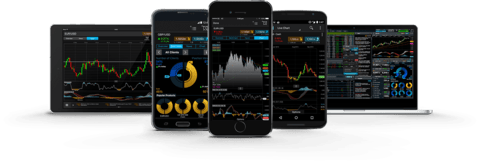
Contracts for Difference, or CFDs, are derivative products that allow traders to speculate on the price movements of various financial instruments, such as stocks, indices, currencies, and commodities, without owning the underlying asset. Here’s all you need to know about CFDs and how they work.
One of the key features of CFDs is their flexibility in leverage, allowing traders to amplify their market exposure with a smaller initial investment. This means that traders can potentially magnify their profits, but it’s important to remember that leverage can also increase losses. Hence, it’s crucial for traders to manage their risk effectively when trading CFDs.
CFDs are traded on margin, which means that traders only need to deposit a fraction of the total trade value to open a position. This makes CFD trading accessible to a wide range of investors, including those with limited capital. However, it’s essential to understand that trading on margin also involves the risk of losing more than the initial investment.
Unlike traditional stock trading, CFDs offer the opportunity to profit from both rising and falling markets. Traders can go long (buy) if they believe the price will rise or go short (sell) if they expect the price to fall. This flexibility allows traders to capitalize on market movements in any direction.
Another advantage of CFD trading is the ability to access global markets with ease. With CFDs, traders can trade a diverse range of assets from various markets around the world, all from a single trading platform. This provides opportunities for diversification and exposure to different market trends.
In conclusion, CFDs offer traders a flexible and accessible way to speculate on the price movements of financial assets. However, it’s essential to approach CFD trading with caution and to be aware of the risks involved. By understanding how CFDs work and implementing sound risk management strategies, traders can potentially benefit from this versatile financial instrument.