Tag Archives:cfds
Trading Contracts for Difference (CFDs) has gained popularity due to its flexibility and accessibility across different markets. Here’s a closer look at cfd how it works and its essential mechanics.
Opening a Position:
When you decide to trade a CFD, you choose the asset you want to trade and whether to buy or sell based on your market analysis. You then specify the quantity of the CFDs you want to trade.
For instance, if you believe the price of gold will increase, you would ‘Buy’ a certain quantity of gold CFDs. Conversely, if you expect a decrease, you would ‘Sell’ them.
Margin and Leverage:
One of the key features of CFD trading is leverage. Instead of paying the full value of the trade, you only need to deposit a percentage known as margin. This allows traders to control larger positions with a smaller amount of capital, amplifying both profits and losses.
Monitoring the Trade:
Once your position is open, you can monitor its performance in real-time. Profits and losses are calculated based on the difference between the entry price and the exit price of the CFD.
Closing the Position:
You can close your CFD position whenever you choose. If you opened a ‘Buy’ position, you would sell to close, and if you opened a ‘Sell’ position, you would buy to close. The difference between the opening and closing prices determines your profit or loss.
Factors to Consider:
Market Analysis: Traders use various techniques like technical analysis, fundamental analysis, or a combination of both to make trading decisions.
Risk Management: Implementing risk management tools such as stop-loss orders to limit potential losses is crucial in CFD trading.
Market Hours: CFD markets operate 24 hours a day for certain assets, providing opportunities to trade around the clock.
Costs Involved:
CFD trading may involve costs such as spreads (the difference between buying and selling prices), overnight financing fees for positions held overnight, and, in some cases, commission fees.
Conclusion:
CFD trading offers a flexible way to speculate on price movements across various markets without owning the underlying assets. Understanding how CFDs work, managing risks effectively, and staying informed about market dynamics are key to successful trading experiences.
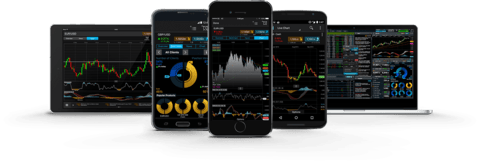
Contracts for Difference, or CFDs, are derivative products that allow traders to speculate on the price movements of various financial instruments, such as stocks, indices, currencies, and commodities, without owning the underlying asset. Here’s all you need to know about CFDs and how they work.
One of the key features of CFDs is their flexibility in leverage, allowing traders to amplify their market exposure with a smaller initial investment. This means that traders can potentially magnify their profits, but it’s important to remember that leverage can also increase losses. Hence, it’s crucial for traders to manage their risk effectively when trading CFDs.
CFDs are traded on margin, which means that traders only need to deposit a fraction of the total trade value to open a position. This makes CFD trading accessible to a wide range of investors, including those with limited capital. However, it’s essential to understand that trading on margin also involves the risk of losing more than the initial investment.
Unlike traditional stock trading, CFDs offer the opportunity to profit from both rising and falling markets. Traders can go long (buy) if they believe the price will rise or go short (sell) if they expect the price to fall. This flexibility allows traders to capitalize on market movements in any direction.
Another advantage of CFD trading is the ability to access global markets with ease. With CFDs, traders can trade a diverse range of assets from various markets around the world, all from a single trading platform. This provides opportunities for diversification and exposure to different market trends.
In conclusion, CFDs offer traders a flexible and accessible way to speculate on the price movements of financial assets. However, it’s essential to approach CFD trading with caution and to be aware of the risks involved. By understanding how CFDs work and implementing sound risk management strategies, traders can potentially benefit from this versatile financial instrument.